Garage Door Spring Repair Beaumont CA restores controlled door movement and addresses spring-related safety risks for homeowners.
951-257-9725 →
Garage Door Spring Repair Beaumont CA begins with identifying broken spring symptoms, including a loud bang, a visible gap, a crooked door or difficulty lifting the door. Torsion and extension springs can weaken through repeated use, corrosion and metal fatigue.
Beaumont Garage Door Pro inspects springs, cables, rollers and mounting hardware to determine whether replacement is needed, helping reduce opener strain and support safer door operation.
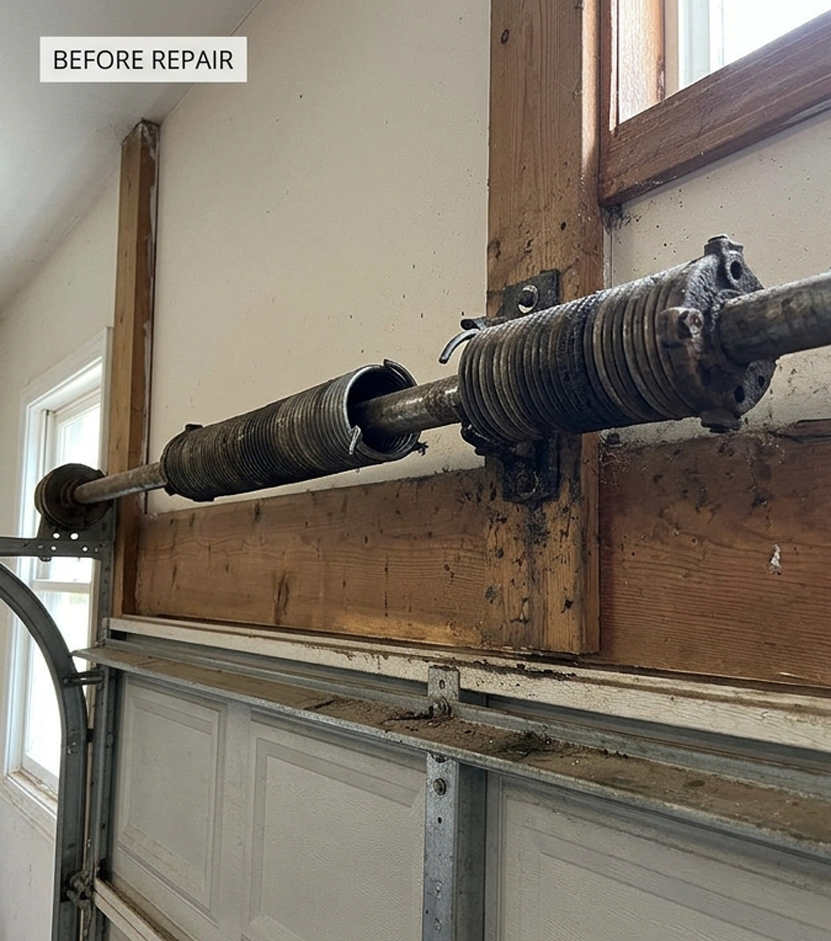
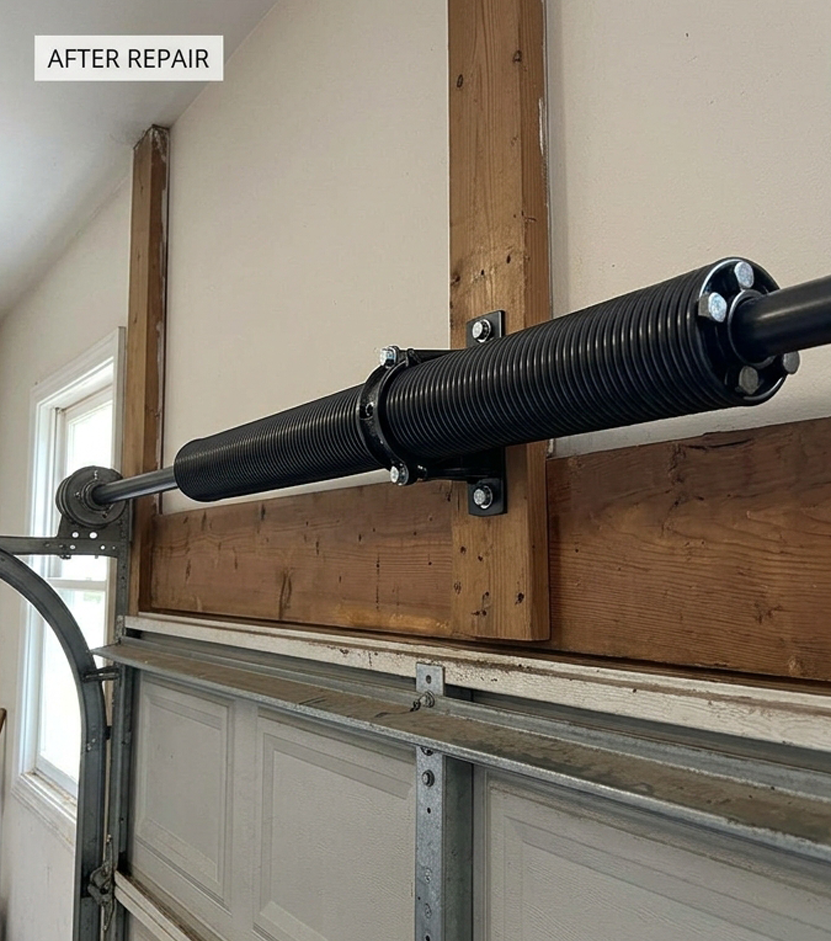
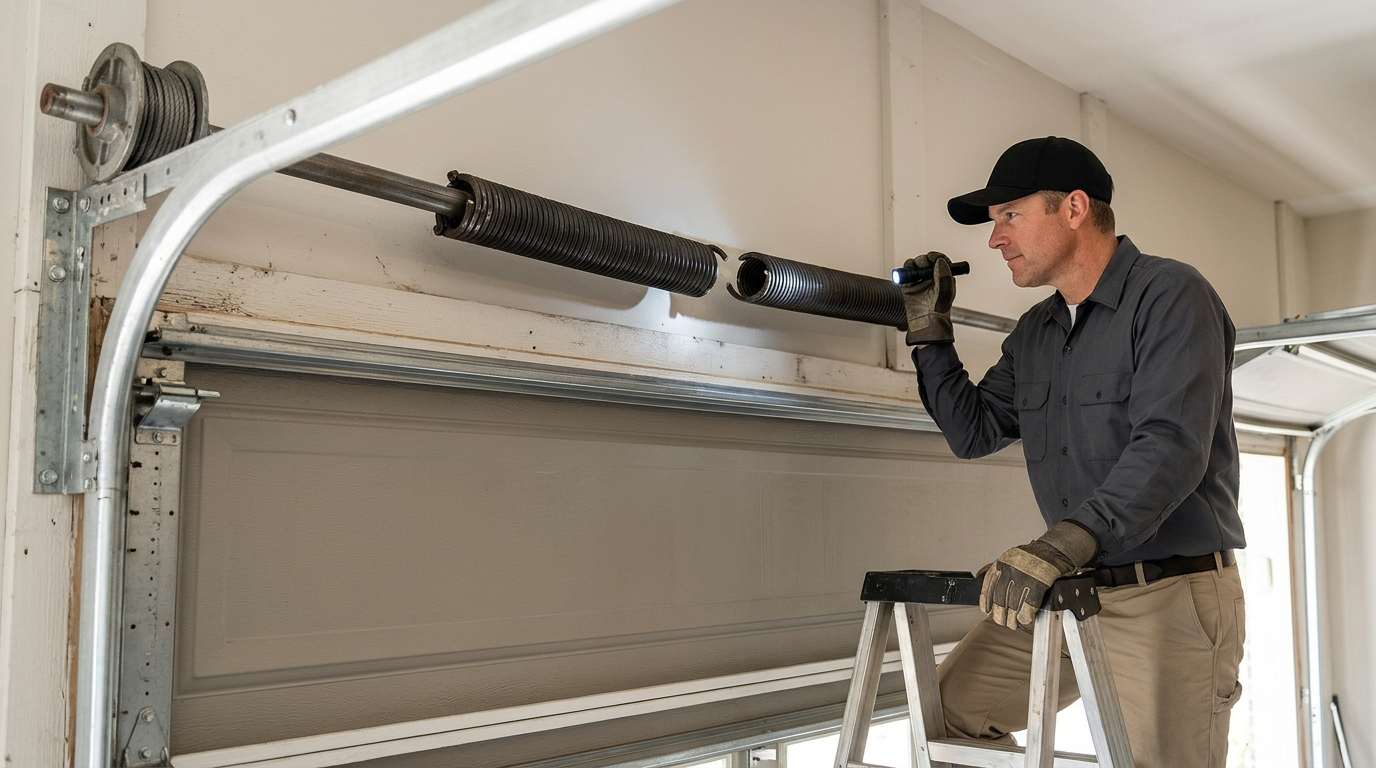
Garage Door Spring Repair Beaumont CA includes evaluating torsion springs above the garage door that use rotational force to counterbalance its weight. Damaged coils, corrosion or a broken spring may require professional replacement rather than adjustment.
Our team checks the shaft, winding components, spring dimensions and door weight before recommending compatible parts. Precise installation helps restore balance and reduce opener strain.
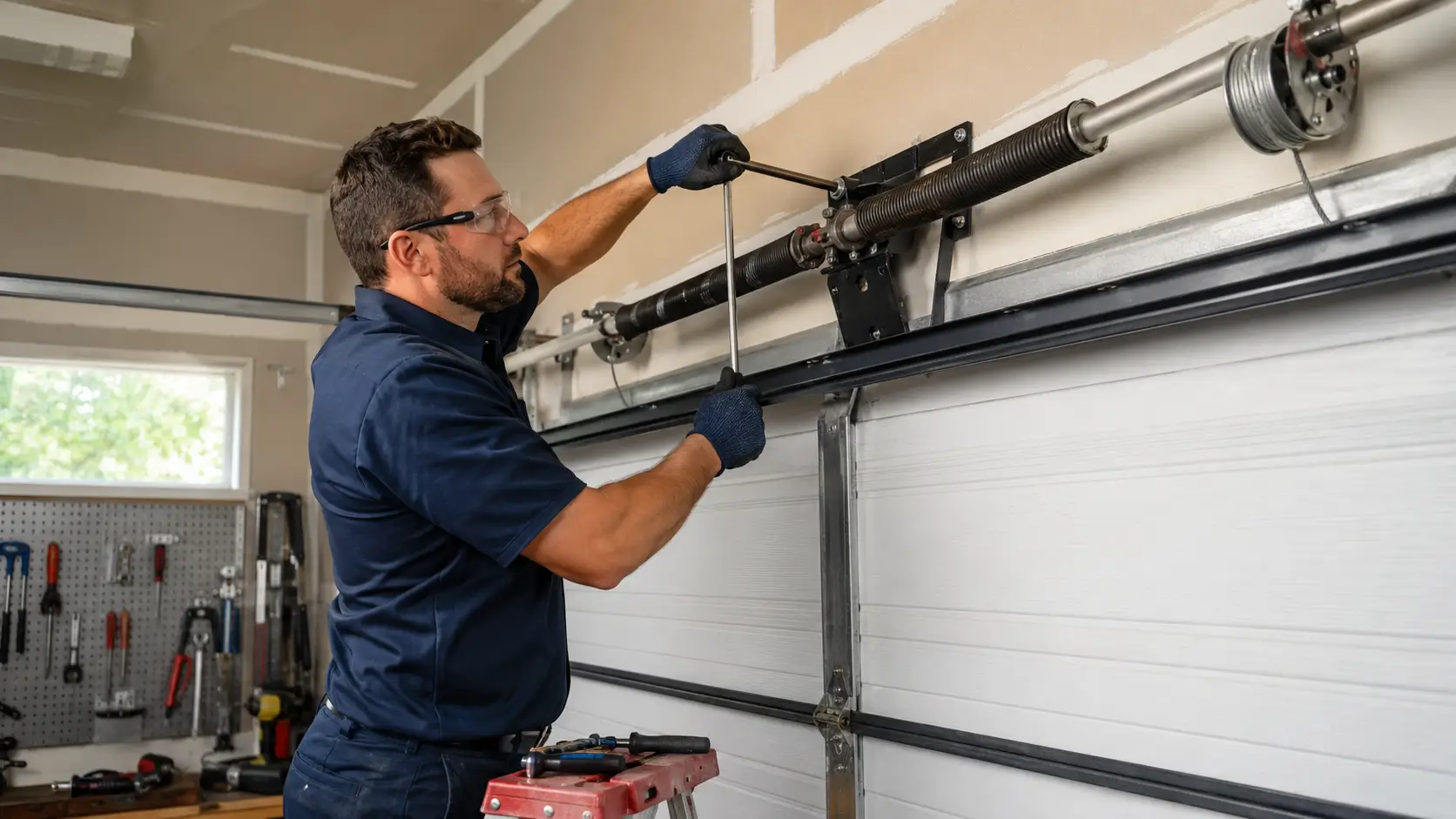
Garage Door Spring Repair Beaumont CA also covers extension springs running alongside horizontal tracks. These springs stretch during door movement and may develop fatigue, corrosion or broken attachment points.
Our team inspects spring condition, mounting brackets, pulleys and safety cables to identify lifting problems. Compatible components help maintain balance; homeowners should not handle damaged springs.
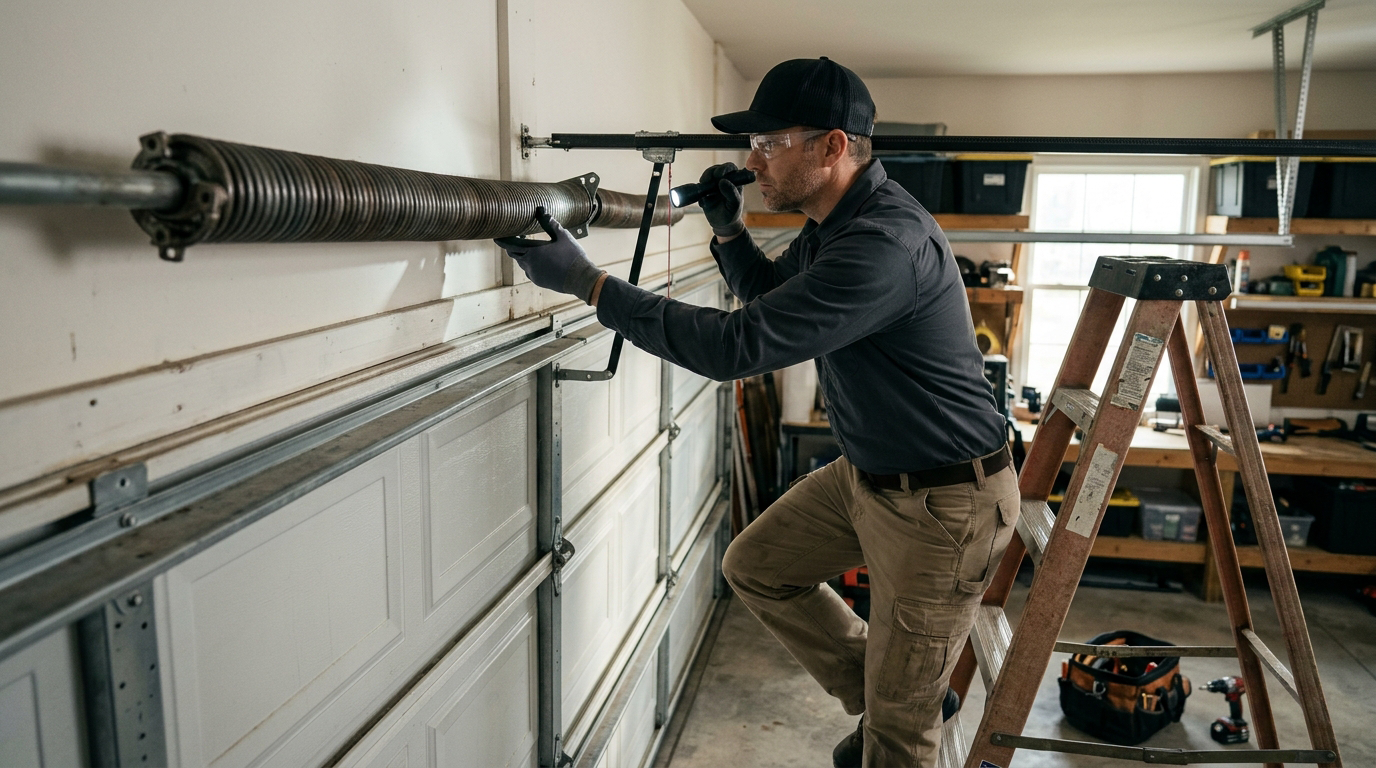
Regular spring maintenance, visual inspections and professional balance testing can help identify developing issues. Rust, unusual noises, uneven movement and deteriorating hardware may signal spring problems before complete failure.
Beaumont Garage Door Pro inspects torsion and extension springs, cables and opener performance to identify wear. Manufacturer-recommended lubrication and professional tension adjustments can help reduce breakdowns and support reliable operation.
Corrosion, fatigue and visible damage may indicate a spring needs professional attention.
Spring dimensions and door weight are checked before compatible parts are selected.
Balance, cables and opener performance are checked after spring service.
Repair or Replace? The right choice starts with understanding the complete condition of the door.
When a garage door suddenly behaves differently, the symptom can help identify where the problem may be developing. These common situations can point toward components that need closer inspection.
Identify spring breakage and check related components.
Match replacement springs to door weight and specifications.
Inspect springs, pulleys, brackets and safety cables.
Check for corrosion, fatigue and hardware wear.
Verify spring balance and help reduce opener strain.
Avoid DIY spring repairs and arrange professional service.
Inspect cables, rollers, mounting hardware and opener performance.
Keep clear of damaged high-tension springs and avoid handling them.
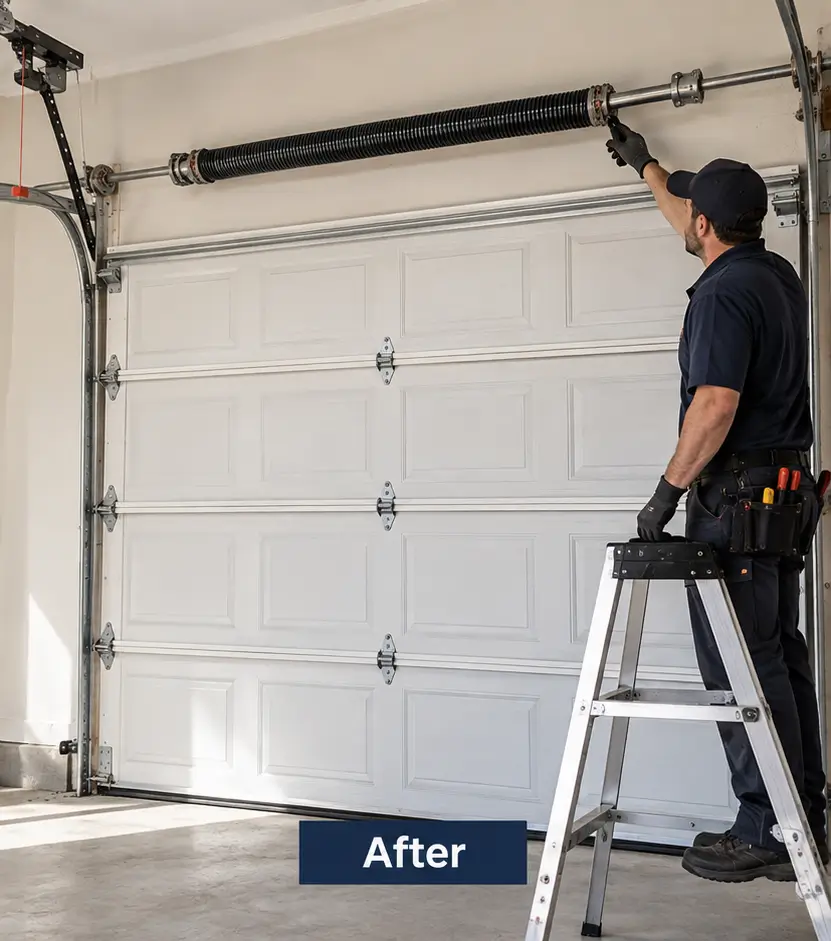
Beaumont Garage Door Pro provides spring diagnosis, torsion and extension spring replacement, balance testing and preventive inspections.
Explore Our Services →Diagnosis of broken springs, lifting difficulty and related hardware problems.
Torsion spring assessment and replacement based on door weight and specifications.
Extension spring inspection, pulley checks and safety cable evaluation.
Door balance checks to help reduce unnecessary opener strain.
Professional response to broken spring symptoms and unsafe door movement.
Spring inspection and service for residential garage door systems.
Spring and balance assessment for garage doors used frequently.
Inspection of rollers and related hardware during spring service.
Cable and mounting hardware checks alongside spring diagnosis.
Preventive checks for corrosion, fatigue and visible spring wear.
Inspection of connected door components after a spring failure.
Track and roller checks when spring failure affects door travel.
Springs, cables and connected components are checked together.
Door weight and spring specifications guide compatible replacement choices.
Beaumont Garage Door Pro evaluates whether repair or replacement makes more practical sense.










Small changes in movement, sound or balance can reveal problems with individual garage door components. Understanding the symptom can help determine where a closer inspection may be needed.
Identify spring breakage and check related components.
Match replacement springs to door weight and specifications.
Inspect springs, pulleys, brackets and safety cables.
Check for corrosion, fatigue and hardware wear.
Verify spring balance and help reduce opener strain.
Avoid DIY spring repairs and arrange professional service.
Inspect cables, rollers, mounting hardware and opener performance.
Keep clear of damaged high-tension springs and avoid handling them.
Common signs include a loud bang, a visible gap in the spring, uneven door movement or a door that feels unusually heavy. The opener may struggle or stop. Discontinue operation and arrange a professional inspection to help prevent additional damage or injury.
The appropriate solution depends on the damage and spring design. A broken spring generally requires replacement, while related hardware may be repairable. A professional checks the door weight, spring specifications and system condition to ensure compatible components and safe operation.
Schedule periodic professional inspections and watch for corrosion, unusual noises, uneven movement and visible wear. Follow manufacturer guidance for general maintenance, but never adjust spring tension yourself. High-tension components can cause serious injuries without suitable training and equipment.
Spring lifespan depends on quality, operating frequency, maintenance and environmental conditions. Many standard springs are rated for approximately 10,000 operating cycles, although actual service life varies. A professional can assess wear and recommend replacement before a failing spring compromises safe operation.
Tell us what you need and our team will get back to you.